As a parent, you might have concerns about your children spending time playing video games. However, not all gaming is created equal. Browser-based games, when chosen carefully and played in moderation, can offer numerous developmental benefits for children. In this guide, we will explore how safe, free browser games on platforms like Gangs Of Gaming can positively impact your child's growth and learning.
Cognitive Development Through Gaming
Problem-Solving Skills
Many browser games are designed around puzzles and challenges that require critical thinking. Games like plumber puzzles, memory matching games, and logic challenges force children to think strategically and plan ahead. These mental exercises strengthen problem-solving abilities that transfer to academic subjects and real-life situations.
When children encounter difficult levels in games, they learn to analyze problems, experiment with different solutions, and persist until they succeed. This resilience and analytical mindset are valuable skills that serve them well throughout their education and future careers.
Memory Enhancement
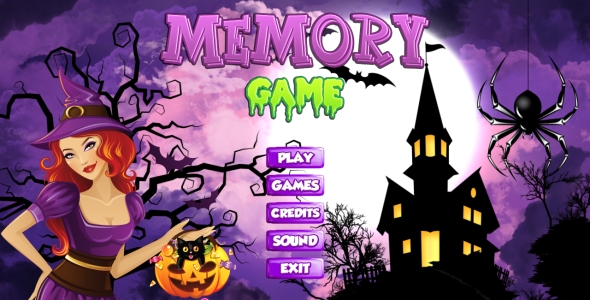
Memory games are particularly beneficial for cognitive development. Games that require remembering patterns, sequences, or locations actively exercise both short-term and working memory. As children progress through increasingly challenging levels, their memory capacity and retention improve naturally.
The beauty of browser memory games is that they adapt to the player's skill level. Starting with simple matching pairs and progressing to complex patterns ensures that children are always challenged without becoming frustrated. This progressive difficulty keeps the brain engaged and continuously developing.
Attention and Focus
In our age of constant digital distractions, the ability to focus is becoming increasingly rare. Browser games, especially those requiring sustained attention and quick reactions, help children develop concentration skills. Action games demand continuous focus, while puzzle games require sustained attention to detail.
Regular gaming sessions can actually improve attention span when balanced with other activities. The key is choosing games that require active engagement rather than passive consumption. Many browser games strike this balance perfectly, offering engaging gameplay that builds focus without being overwhelming.
Educational Benefits
Mathematics and Logic
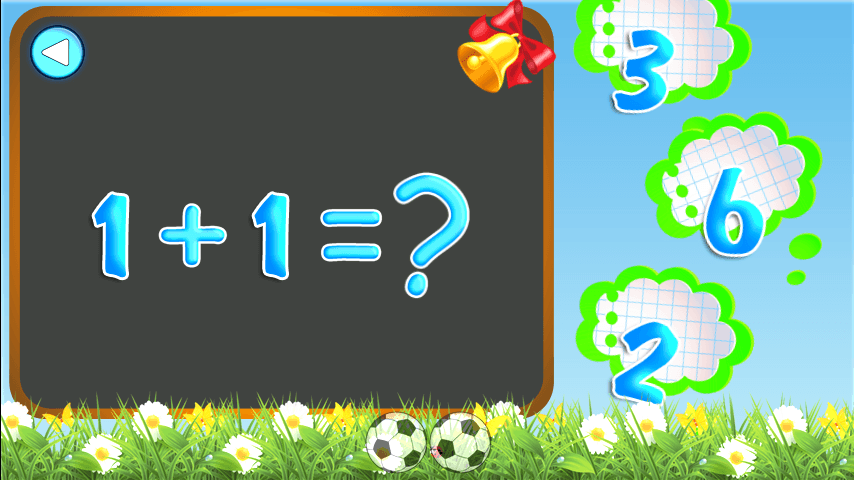
Educational browser games seamlessly integrate learning with entertainment. Math games make arithmetic practice enjoyable by presenting problems in game formats. Children learn to perform calculations quickly and accurately while trying to achieve high scores or complete levels.
Logic games and puzzles teach mathematical thinking without explicitly focusing on numbers. Games that involve pattern recognition, spatial reasoning, and strategic planning build the foundational skills needed for advanced mathematics. Children develop these skills naturally while having fun.
Language and Vocabulary
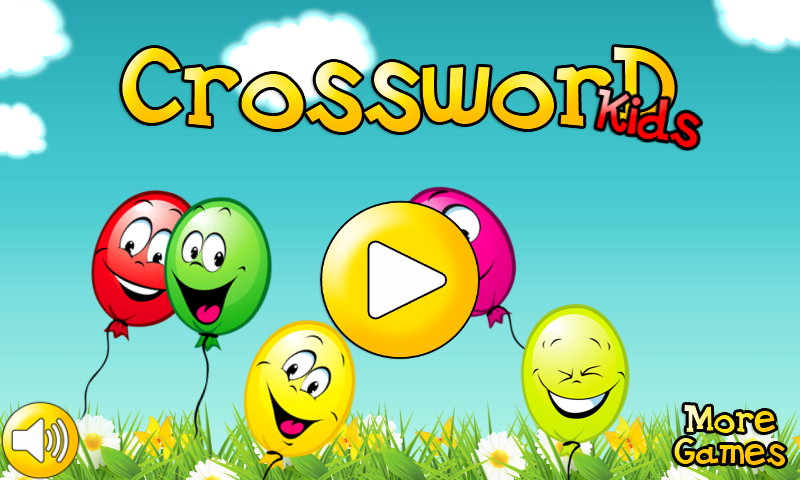
Word games, crosswords, and spelling challenges in browser format help children expand their vocabulary and improve language skills. These games often introduce new words in context, making learning more effective than rote memorization. The interactive nature keeps children engaged and motivated to continue learning.
Reading comprehension also benefits from story-based games and games with written instructions. Children learn to follow directions, understand narratives, and extract information from text — all essential academic skills.
Creativity and Imagination
Creative browser games allow children to express themselves artistically and develop their imagination. Drawing games, dress-up games, and building games provide outlets for creative expression. These activities encourage children to think outside the box and develop their unique creative voice.
Even games that are not explicitly creative can inspire imagination. Adventure games with rich narratives and world-building elements encourage children to imagine possibilities beyond the immediate game content. This imaginative play is crucial for healthy cognitive development.
Social and Emotional Benefits
Stress Relief and Relaxation
Children face significant stress from school, social pressures, and extracurricular activities. Browser games provide a healthy outlet for stress relief and relaxation. The immersive nature of gaming allows children to take mental breaks and recharge their emotional batteries.
Unlike passive entertainment like watching videos, interactive games engage the mind in a way that can be both relaxing and stimulating. This balance makes gaming an effective tool for emotional regulation when used appropriately.
Confidence Building
Mastering game levels and achieving high scores builds genuine self-confidence. Children learn that practice and persistence lead to improvement — a valuable lesson that applies to all areas of life. The immediate feedback in games helps children recognize their progress and feel accomplished.
The sense of achievement from completing difficult game challenges transfers to other areas. Children who experience success in gaming develop the confidence to tackle academic challenges and pursue new interests with greater self-assurance.
Emotional Regulation
Games teach children to handle both success and failure gracefully. Losing a game or failing a level provides opportunities to learn emotional resilience. Children learn to manage frustration, stay calm under pressure, and bounce back from setbacks — all important emotional skills.
Cooperative and competitive games also teach sportsmanship and fair play. Children learn to respect opponents, follow rules, and handle both victory and defeat with grace. These social-emotional skills are essential for healthy relationships.
Safety Considerations for Parents
Choosing Safe Platforms
Not all gaming platforms are created equal when it comes to child safety. Gangs Of Gaming offers a curated selection of games that are appropriate for children, with no inappropriate content, ads, or external links that could lead to unsafe websites. The platform is designed with family safety in mind.
When evaluating gaming platforms, look for content ratings, moderation policies, and privacy protections. Avoid platforms with chat features, social networking elements, or unmoderated user-generated content for younger children.
Setting Healthy Boundaries
Like any activity, gaming should be balanced with other pursuits. Establish clear time limits for gaming sessions and ensure that gaming does not interfere with homework, physical activity, or family time. The American Academy of Pediatrics recommends limiting recreational screen time to 1-2 hours per day for children over age 2.
Create a gaming schedule that works for your family. Some parents find that allowing gaming after homework and chores works well, while others prefer designated gaming windows on weekends. Find what works for your situation and stick to it consistently.
Monitoring Content
Even on safe platforms, it is important to monitor the specific games your children play. Take time to understand what each game involves and ensure it aligns with your family values. Play games together occasionally to stay connected with your child's gaming interests.
Pay attention to how your child responds to different games. Some children may become overly competitive or frustrated with certain types of games. Adjust your guidelines based on your child's individual reactions and needs.
Best Types of Games for Different Ages
Preschool (Ages 3-5)
Simple matching games, basic puzzles, and color/shape recognition games are ideal for preschoolers. Look for games with large, clear graphics and simple controls. Games that teach basic concepts like counting, letters, and colors provide educational value while being entertaining.
Early Elementary (Ages 6-8)
More complex puzzles, simple math games, and memory games are appropriate for this age group. Games that require following multi-step instructions help develop attention and executive function. Creative games that allow drawing or building encourage imagination.
Late Elementary (Ages 9-11)
Strategy games, logic puzzles, and more complex math games challenge older elementary children. Word games and crosswords build language skills. Adventure games with problem-solving elements engage critical thinking. Games that require planning and strategy develop executive function.
Middle School (Ages 12-14)
Complex strategy games, advanced puzzles, and games with narrative elements appeal to middle schoolers. Games that teach programming concepts or scientific principles can be particularly educational. Multiplayer games (when age-appropriate) can teach teamwork and communication skills.
Integrating Gaming into Learning
Educational Game Time
Designate some gaming time as explicitly educational. Choose games that align with what your child is learning in school and use them to reinforce concepts. For example, if your child is learning multiplication, math games can provide extra practice in an engaging format.
Game-Based Learning Projects
Take inspiration from games to create learning projects. If your child enjoys building games, encourage them to design their own levels on paper. If they like adventure games, help them write stories based on game scenarios. This extends the learning beyond the screen.
Family Gaming Sessions
Gaming together as a family turns individual screen time into social bonding time. Take turns playing, help each other solve puzzles, and discuss strategies. Family gaming sessions provide opportunities for conversation and connection while still allowing everyone to enjoy the games.
Signs of Healthy vs. Problematic Gaming
Healthy Gaming Signs
- Your child maintains interest in other activities
- Gaming does not interfere with sleep, homework, or social life
- Your child can stop gaming when asked without major resistance
- Gaming content is age-appropriate and positive
- Your child talks about games enthusiastically but not obsessively
Warning Signs to Watch For
- Your child becomes irritable or anxious when not gaming
- Gaming interferes with sleep, grades, or social activities
- Your child hides gaming activities or lies about time spent
- Your child only wants to talk about games
- Physical symptoms like headaches or eye strain from excessive gaming
If you notice warning signs, it may be time to reassess gaming habits and possibly seek professional guidance. Most children can enjoy gaming healthily with appropriate boundaries and guidance.
Conclusion
Browser gaming, when approached thoughtfully, can be a positive addition to your child's development. The cognitive, educational, social, and emotional benefits are significant when games are chosen carefully and played in moderation. Platforms like Gangs Of Gaming provide safe, age-appropriate options that parents can trust.
The key is balance — gaming should be one part of a rich variety of activities that include physical play, social interaction, reading, and creative pursuits. With proper guidance and boundaries, browser games can be a tool for learning, growth, and family fun.
As a parent, your involvement and oversight make all the difference. By staying informed about your child's gaming activities, setting appropriate limits, and choosing quality platforms, you can ensure that gaming enhances rather than detracts from your child's development. The world of browser gaming offers wonderful opportunities when navigated with care and wisdom.